Sovra retail analytics platform
Sovra is a RetailTech analytics platform that helps CPG and retail teams monitor portfolio performance, identify growth opportunities, simulate pricing and promotion scenarios, and make data-driven product decisions
- 3 Weeks
- 2 Specialists


- Duration
- 3 Weeks
- Team
- Designer and PM
- Industry
- Retail Tech
- Scope
- UX/UI Design
About project
General information
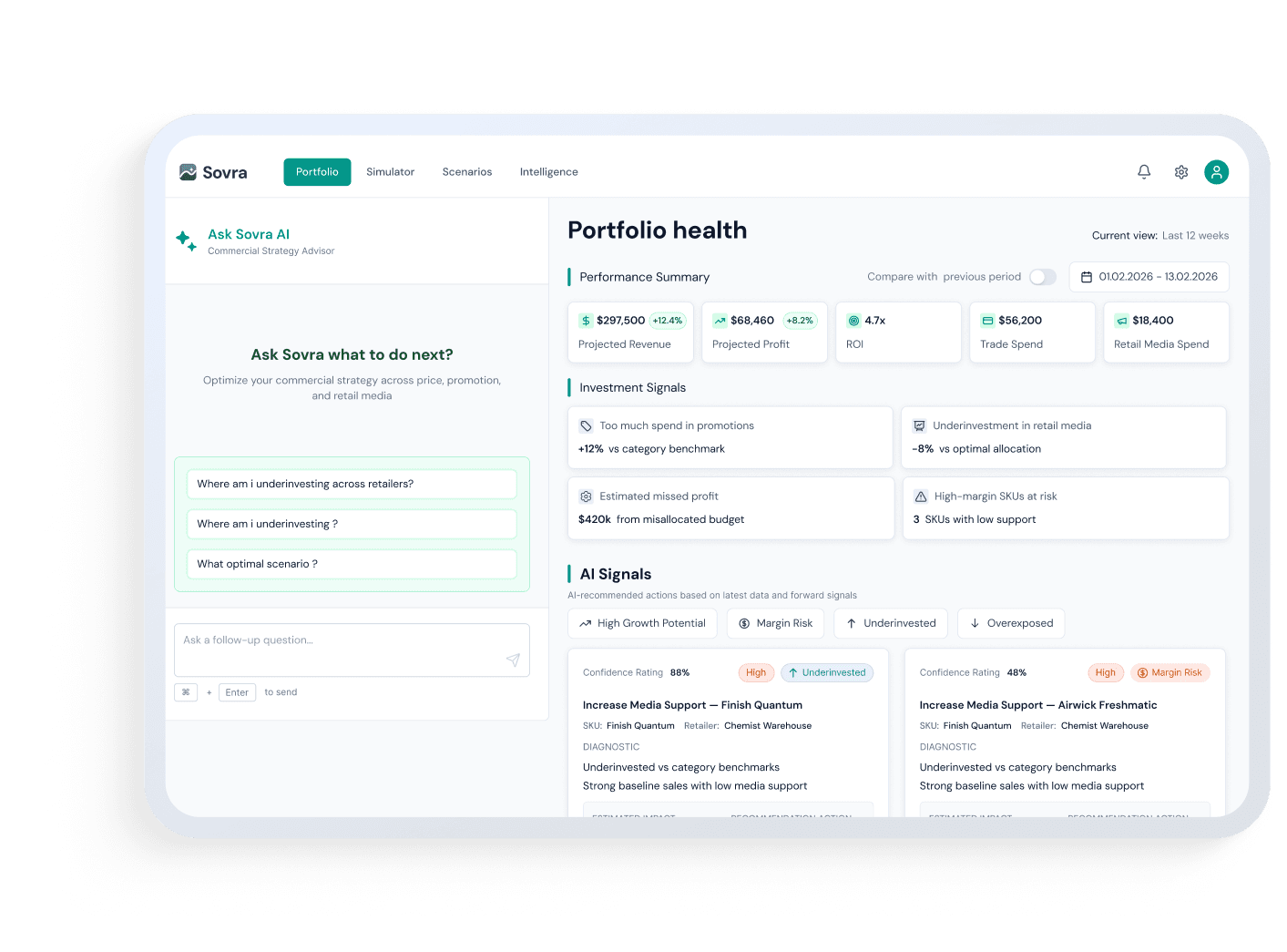
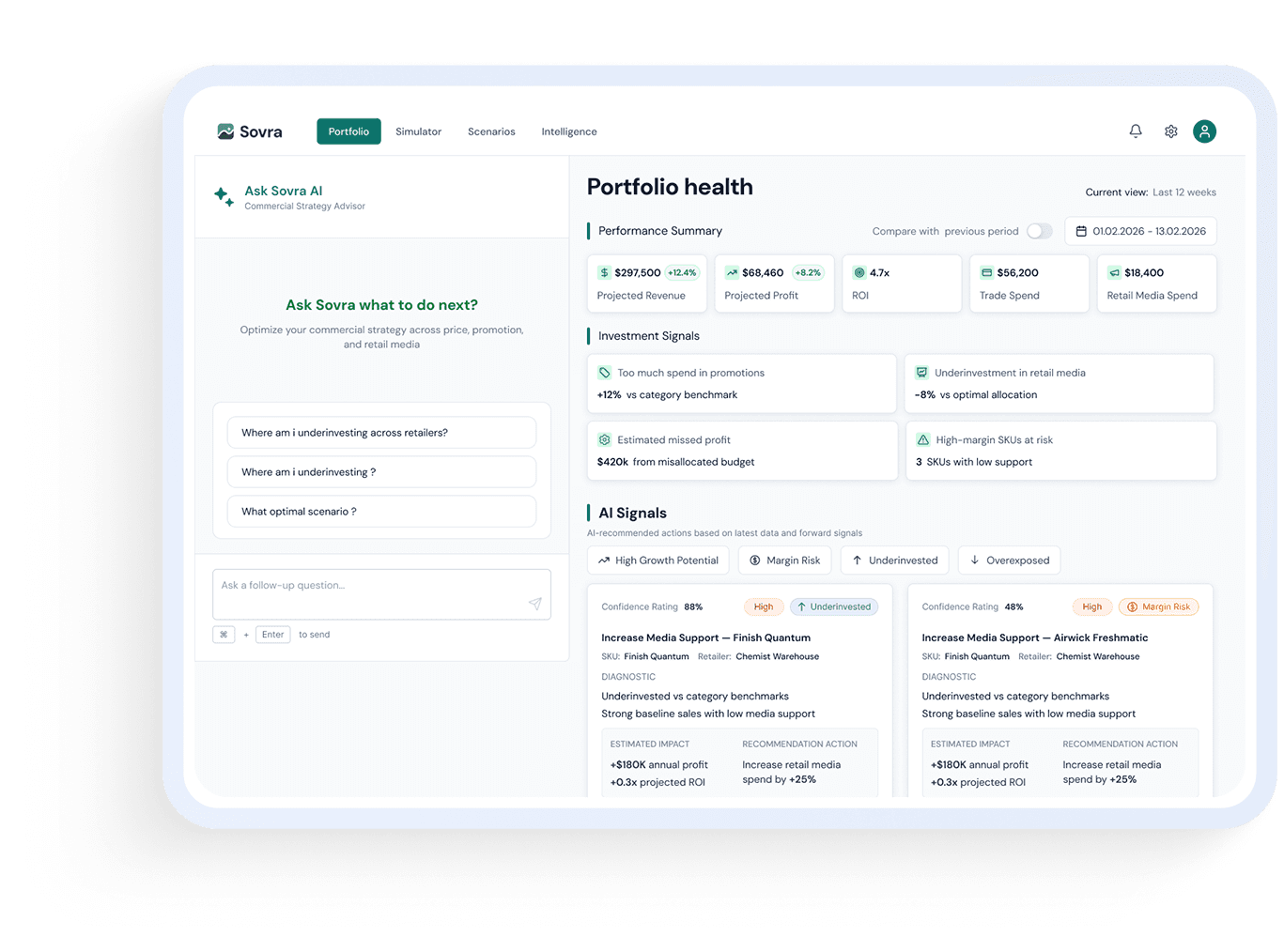
Sovra is an AI-powered commercial optimisation platform designed for brands that manage multiple SKUs across retailers.
The platform brings together sales, pricing, promotion, retail media, category, and margin data to help commercial teams understand where opportunities and risks exist and decide what to do next.
Instead of working as a traditional analytics dashboard, Sovra acts as a decision engine — turning fragmented commercial data into recommendations and actionable plans.
Deliverables
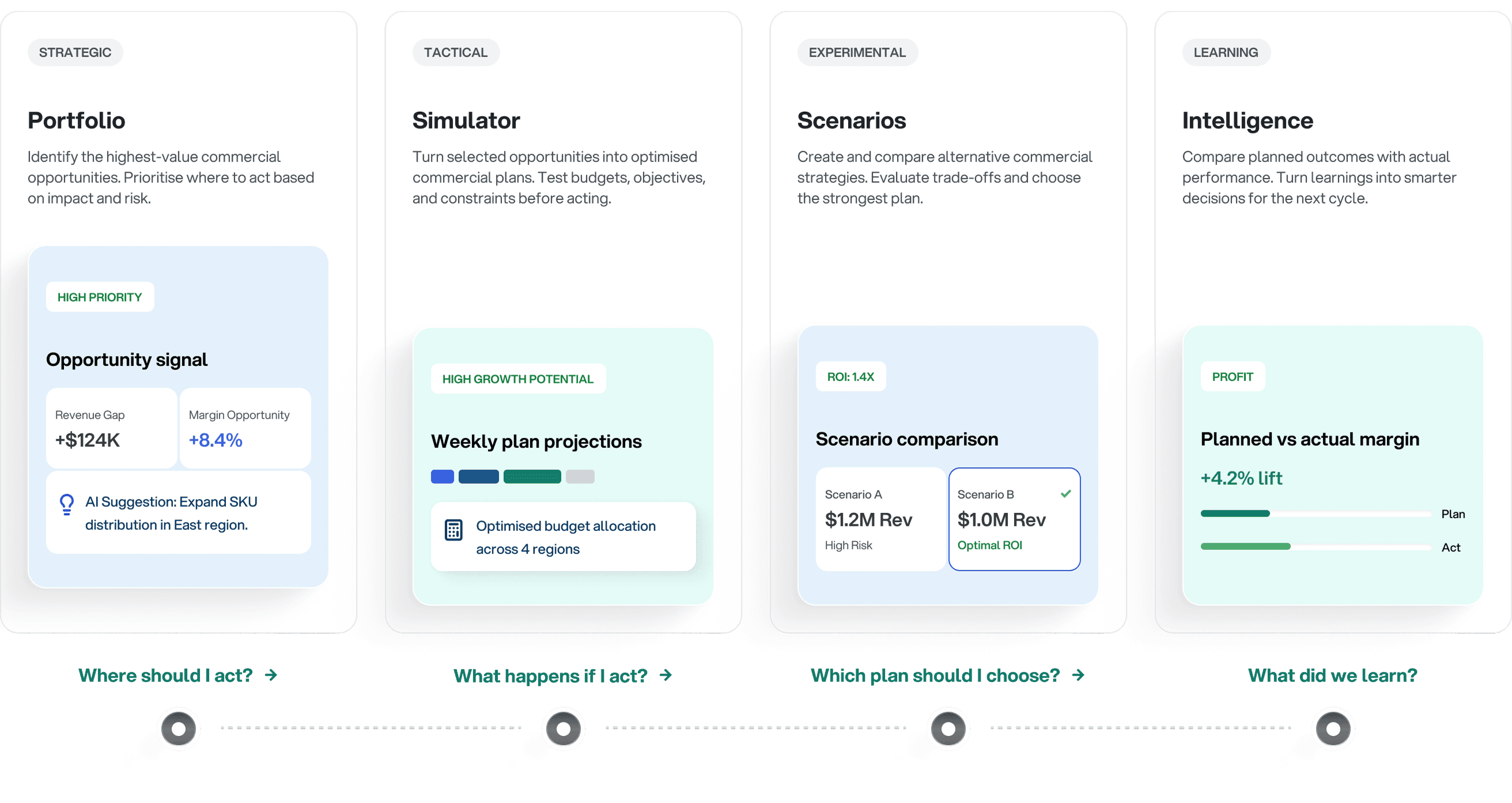
The goal was to create a clear and scalable product experience that guides users through the full decision-making cycle:
Identify an opportunity → simulate a strategy → compare scenarios → analyse real-world results.
Problems & solutions
Sovra project revealed six key challenges that shaped our UX/UI approach and the solutions we designed.
- UX
1. Fragmented commercial data
Commercial teams work with sales, promotion, media, retailer, and finance data across different systems, making it difficult to see the full picture.
Solution:
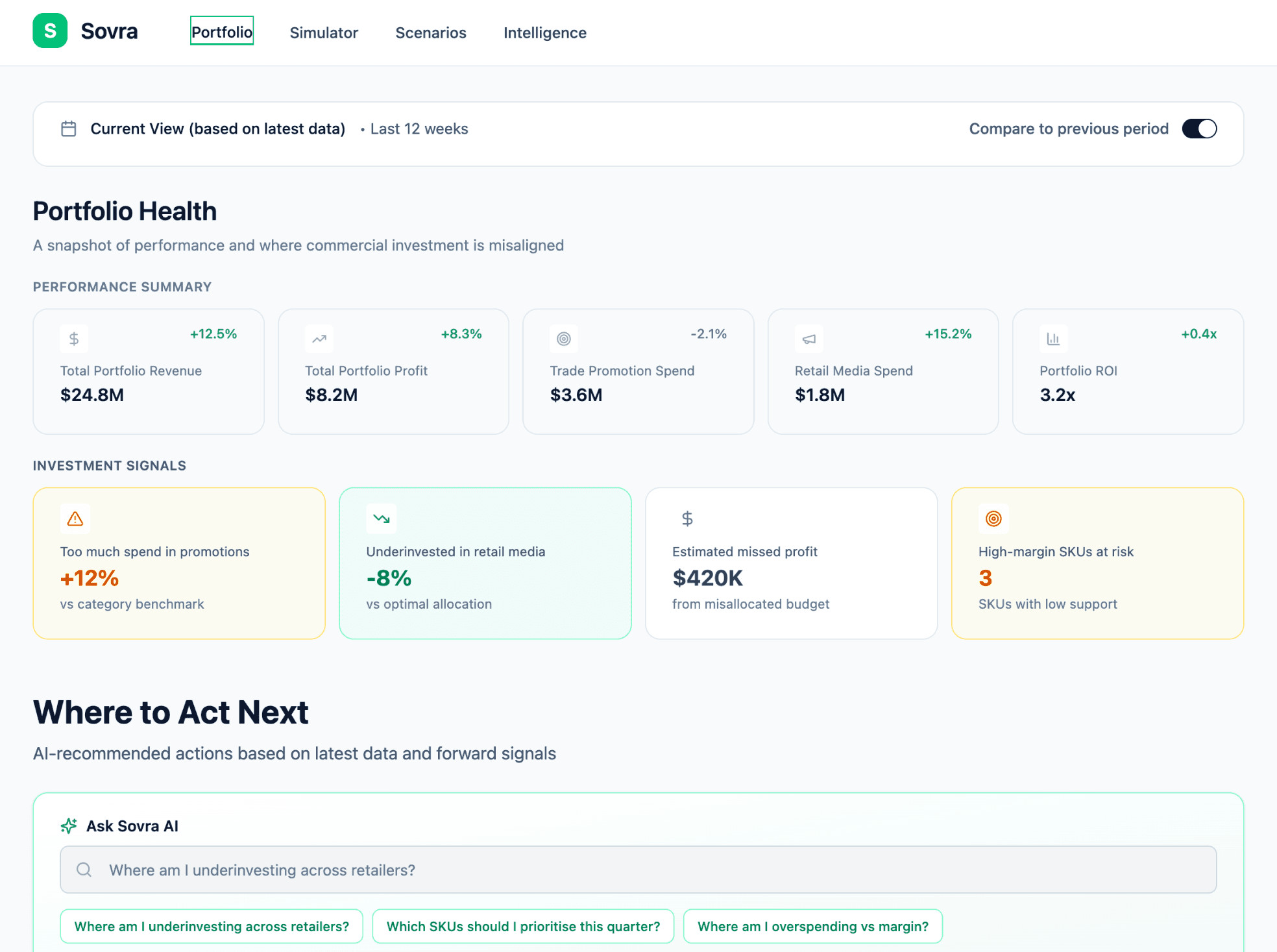
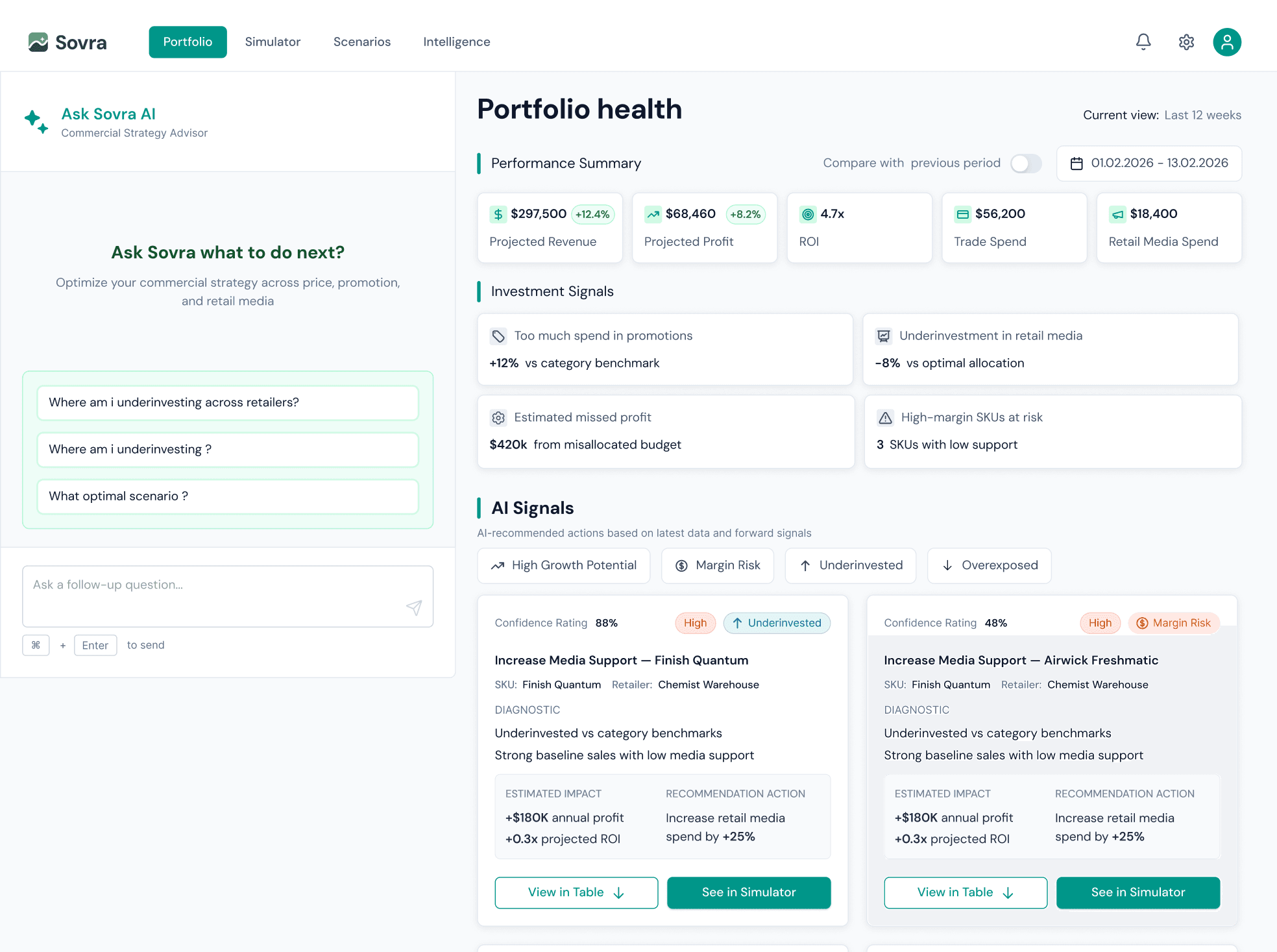
Create a unified Portfolio view that brings key performance indicators, investment signals, and AI recommendations into one decision-focused workspace.
- UI
2. Difficult to understand where to act
Traditional dashboards show what happened, but users still have to interpret the data and decide what action to take.
Solution:
Introduce AI Signals and Opportunity Recommendations that highlight risks, underinvestment, overexposure, margin pressure, and growth potential — together with a recommended next step.
- UX
3. Hard to predict the impact of decisions
Changing price, promotion frequency, or media investment can have a significant impact on revenue and profit, but teams cannot easily evaluate the outcome before acting.
Solution:
Create a Simulator that generates a commercial plan based on the selected objective, budget, guardrails, and available data, showing projected revenue, profit, ROI, and risk.
- UX
4. Multiple strategies are difficult to compare
Commercial teams may have several possible strategies but no clear way to evaluate their trade-offs.
Solution:
Introduce Scenarios, where users can save alternative plans, compare them side by side, and select the strongest option.
- UX
5. Limited visibility into what actually worked
After a strategy is executed, teams may struggle to connect real performance back to the original plan.
Solution:
Create an Intelligence layer that matches executed activity with saved scenarios and compares planned vs actual performance to generate learnings for future decisions.
- UX
6. Different data sources vary in freshness.
eCommerce data may be available almost live, while in-store retail data can arrive weeks later.
Solution:
Design the product to support both real-time and predictive decision-making, while clearly communicating data freshness and confidence.
Product Logic
Wireframes
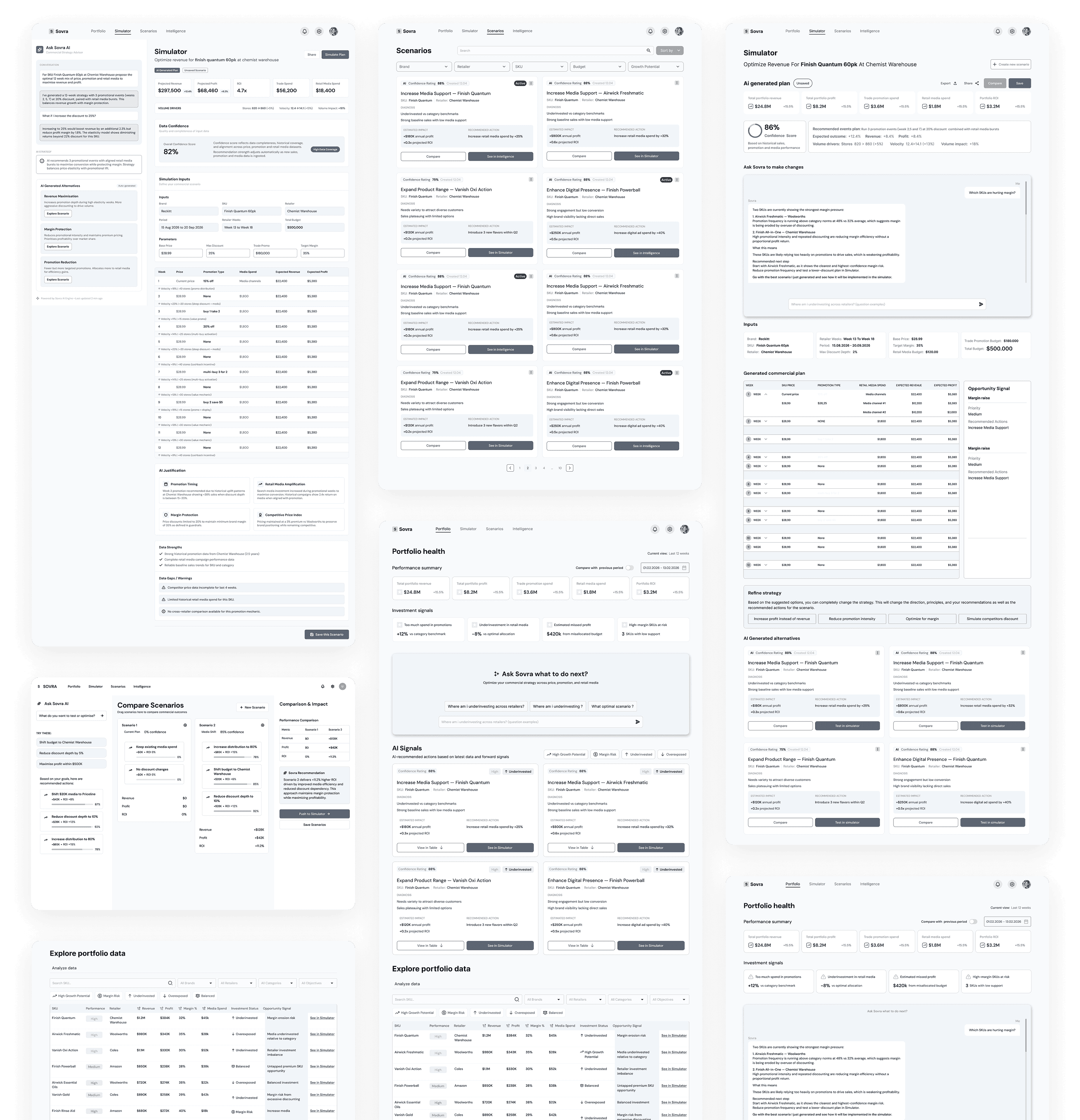
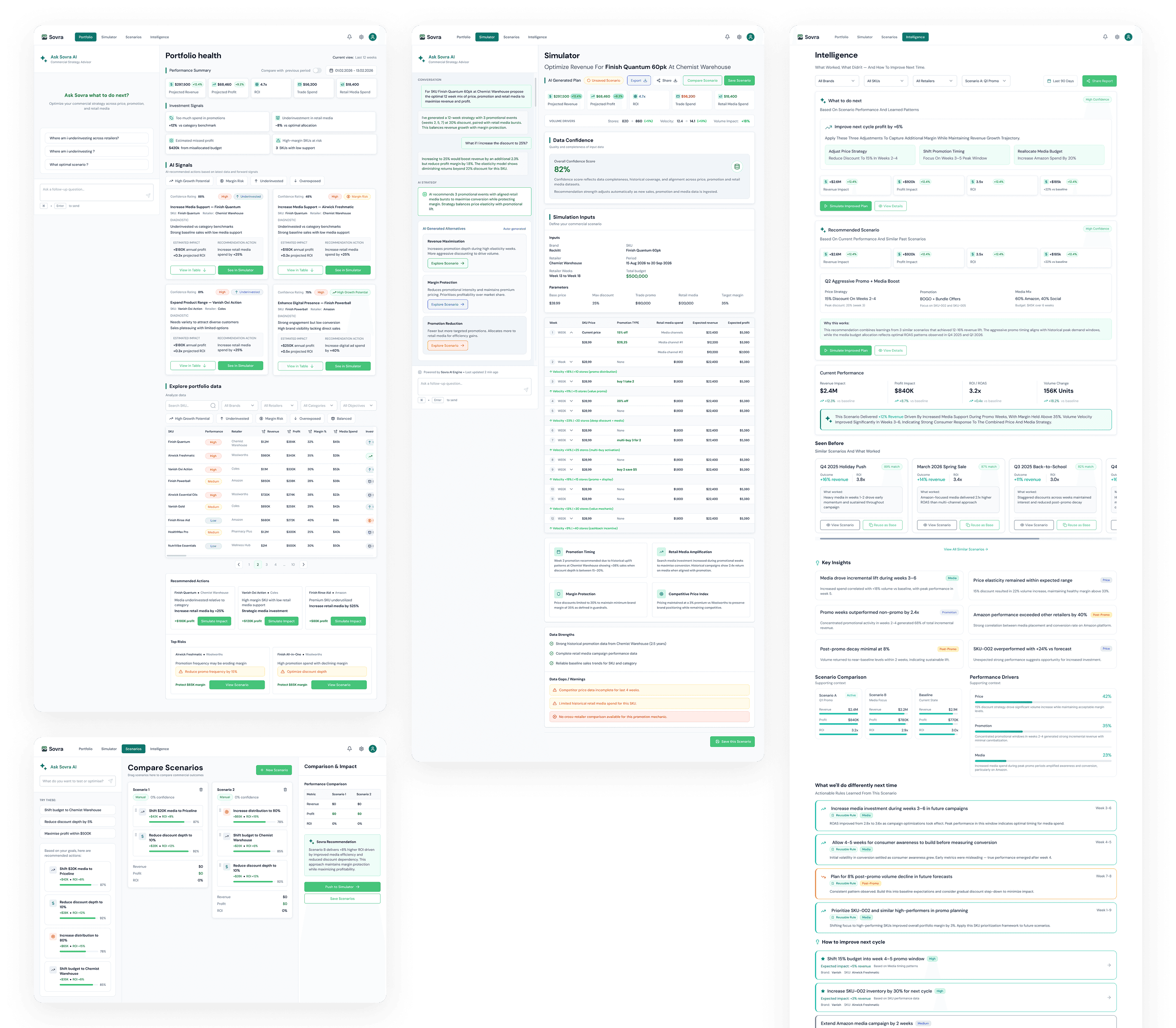
The first stage focused on simplifying a complex commercial workflow and defining a clear hierarchy between data, AI insights, recommendations, and actions.
Design process
A structured design process helped turn complex commercial requirements into a clear, intuitive and scalable product experience.

Product & requirements analysis
Reviewed the existing product concept, user flow, commercial terminology, data logic, and client-provided screens.

Information architecture
Structured the core product around four decision stages: Portfolio, Simulator, Scenarios, and Intelligence.

UX optimisation
Reduced information overload, prioritised actionable insights, and created clearer connections between AI recommendations and underlying data.

Wireframing
Created structured low-fidelity flows for the main product areas and key interaction states.

AI interaction design
Defined how Ask Sovra, AI Signals, recommendations, confidence ratings, and explanations should support user decisions.

UI design & system
Built a scalable interface and reusable components for dense commercial data, tables, signals, recommendations, and scenario planning.
Colors & typography
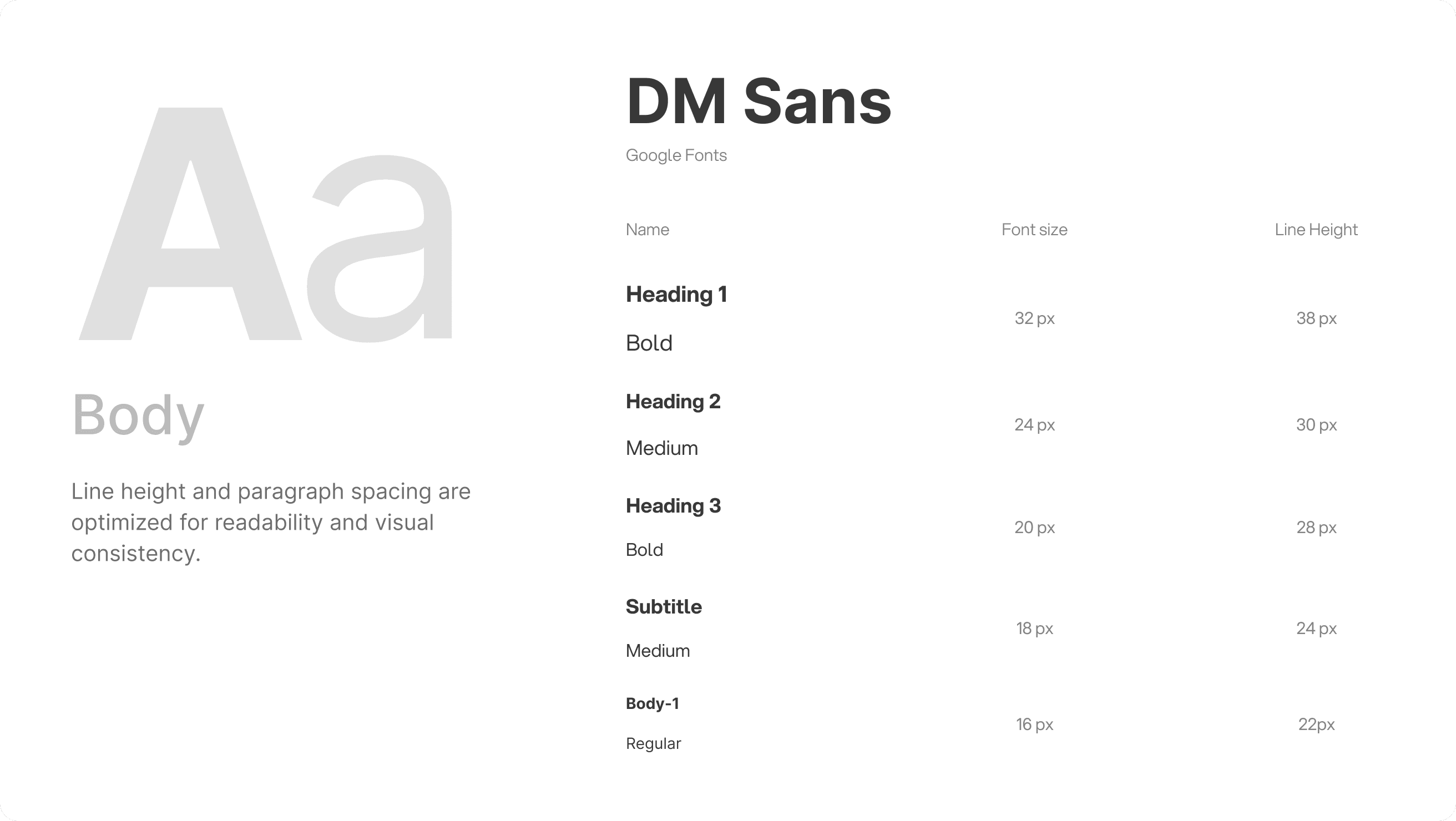
The visual system was designed for clarity and consistency, supporting dense commercial data while keeping the interface easy to scan and navigate.
- 0F766E
- FFFFFF
- 45C47A
- 3952A5
Key product screens
The first stage focused on simplifying a complex commercial workflow and defining a clear hierarchy between data, AI insights, recommendations, and actions.
Before & after
Product showcase
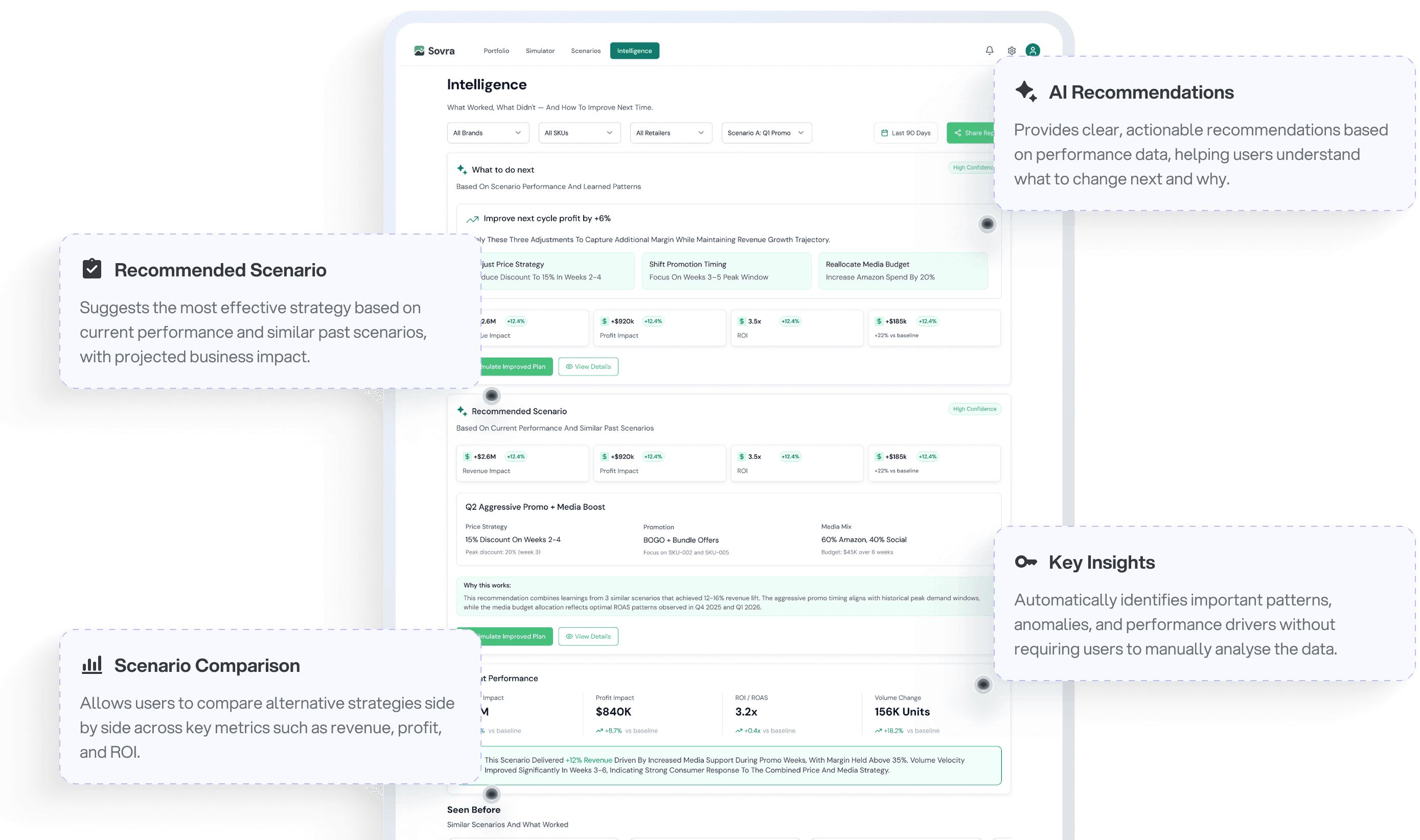
The Intelligence dashboard turns past performance into actionable insights, highlighting what worked, what didn’t, and why. It combines AI-driven recommendations, scenario comparisons, and key performance drivers to help users improve future decisions.
Design outcomes
Sovra transformed complex commercial data into clear insights, actionable recommendations, and smarter business decisions


All in 1
Flow
Core decision stages unified into one workflow

90%
AI - First
A complete MVP covering customer and administrative functionality.

3+
Actionable recommendations
AI-driven recommendations turn performance insights into clear next steps.

100%
Clear signals
Complex commercial data reduced into clear signals and next steps